Archives
- 2026-08
- 2026-07
- 2026-06
- 2026-05
- 2026-04
- 2026-03
- 2026-02
- 2026-01
- 2025-12
- 2025-11
- 2025-10
- 2025-09
- 2025-03
- 2025-02
- 2025-01
- 2024-12
- 2024-11
- 2024-10
- 2024-09
- 2024-08
- 2024-07
- 2024-06
- 2024-05
- 2024-04
- 2024-03
- 2024-02
- 2024-01
- 2023-12
- 2023-11
- 2023-10
- 2023-09
- 2023-08
- 2023-07
- 2023-06
- 2023-05
- 2023-04
- 2023-03
- 2023-02
- 2023-01
- 2022-12
- 2022-11
- 2022-10
- 2022-09
- 2022-08
- 2022-07
- 2022-06
- 2022-05
- 2022-04
- 2022-03
- 2022-02
- 2022-01
- 2021-12
- 2021-11
- 2021-10
- 2021-09
- 2021-08
- 2021-07
- 2021-06
- 2021-05
- 2021-04
- 2021-03
- 2021-02
- 2021-01
- 2020-12
- 2020-11
- 2020-10
- 2020-09
- 2020-08
- 2020-07
- 2020-06
- 2020-05
- 2020-04
- 2020-03
- 2020-02
- 2020-01
- 2019-12
- 2019-11
- 2019-10
- 2019-09
- 2019-08
- 2019-07
- 2019-06
- 2018-07
-
Even more unambiguous was the relative contribution of
2020-06-20
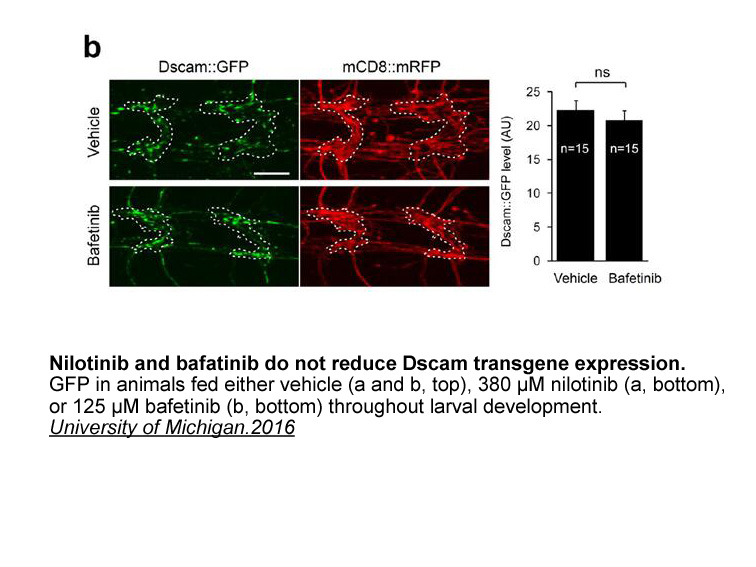
Even more unambiguous was the relative contribution of Gq/11 signaling in AngII-mediated transactivation as measured by the ERK1/2 and the BRET-based readout. Although Gq/11 was absolutely required for ERK1/2 phosphorylation following AngII-stimulation, in contrast, we observed a sustained EGFR-Grb2
-
One question relates to our finding that oxysterol
2020-06-20
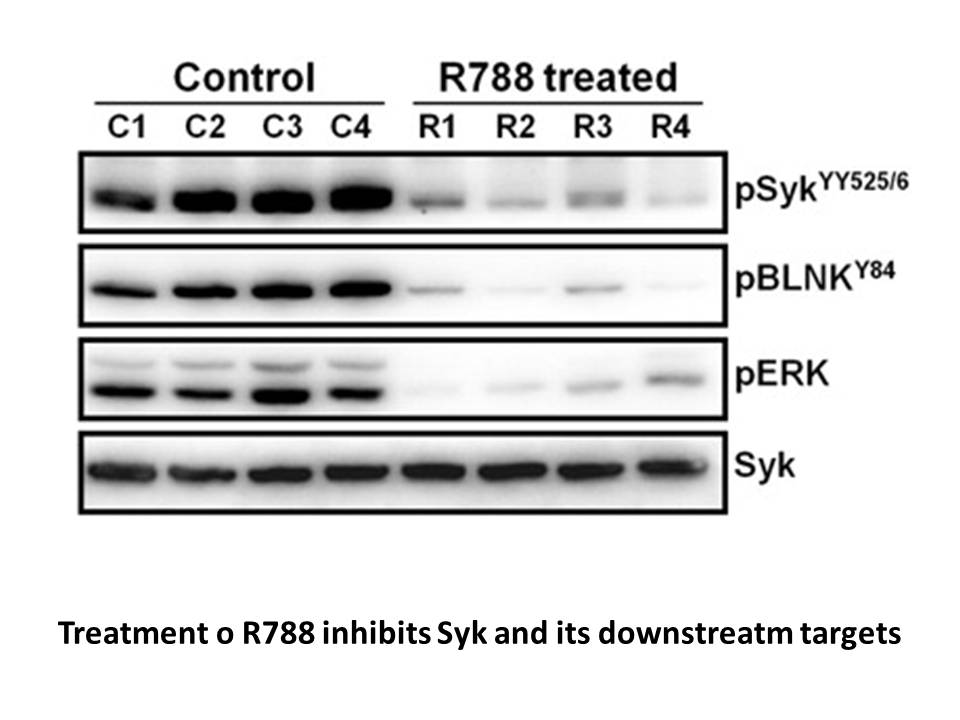
One question relates to our finding that oxysterol-GPR183 signaling is critical for CP and ILF formation in the colon but dispensable in the small intestine. GPR183 and its ligand were expressed in both the small and large intestines. Moreover, 7α,25-OHC was required for ILC3 migration to CPs not on
-
br Experimental Procedures br Acknowledgments
2020-06-20
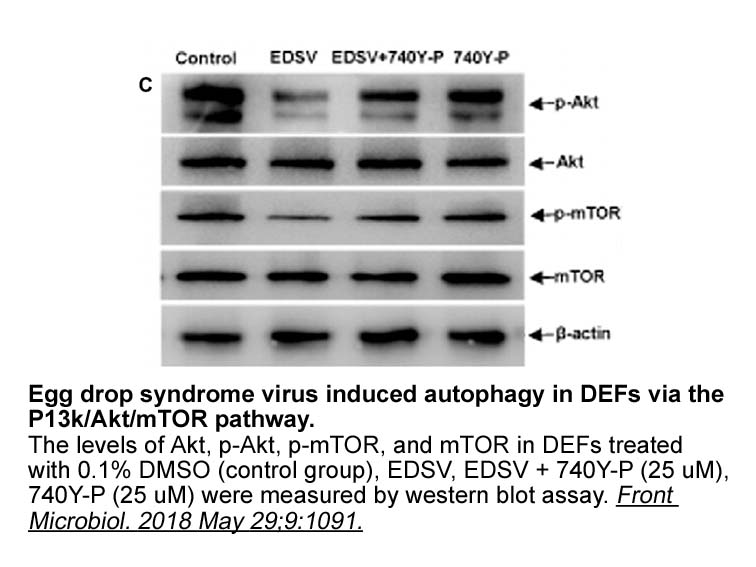
Experimental Procedures Acknowledgments We thank S. Tangye and A. Swarbrick for helpful discussions and critical reading of the manuscript; K. Wood, T. Camidge, and V. Turner for technical assistance; C. Brownlee for cell sorting; the staff of the Garvan Institute Biological Testing Facility f
-
Except for S adenosylmethionine SAM Fig sources of
2020-06-20
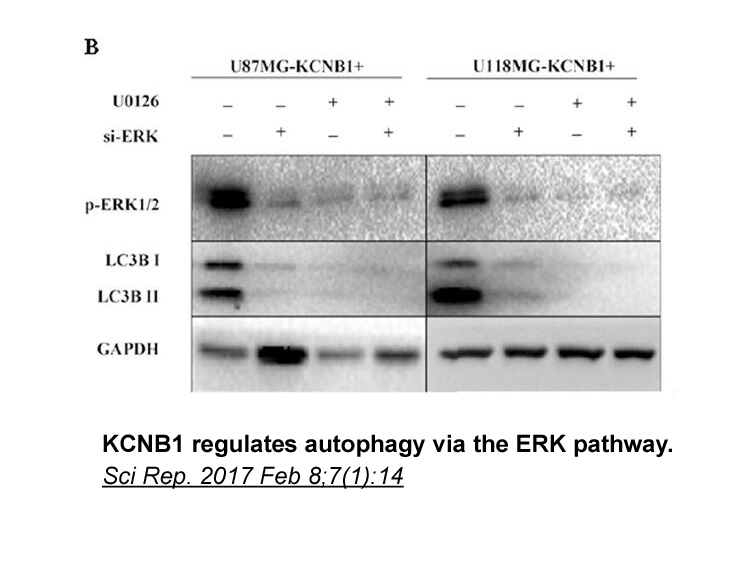
Except for S-adenosylmethionine (SAM, Fig. 1), sources of endogenous DNA alkylation are not well defined. Other possible sources include nitroso compounds related to the well known mutagen methylnitrosourea which are generated in vitro by nitrosation of cellular amines including amino acids, protein
-
br Introduction Coping with DNA damage
2020-06-20
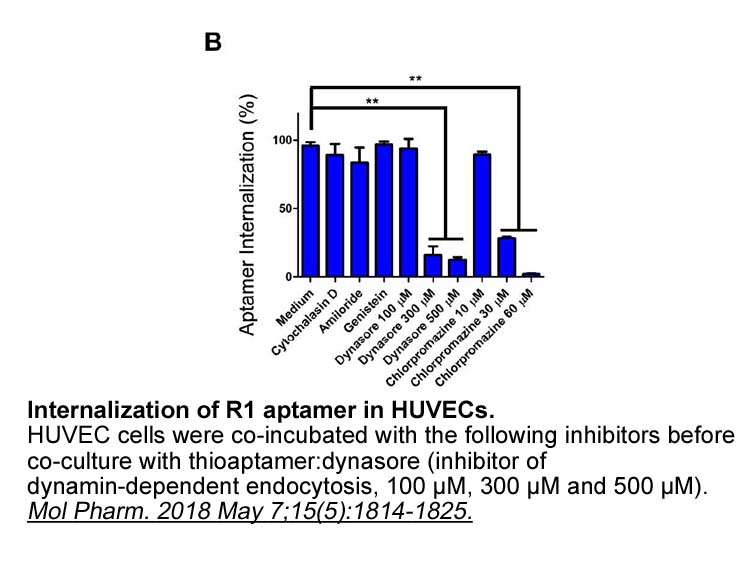
Introduction Coping with DNA damage is possible thanks to surveillance mechanisms (checkpoints), that detect the problem and promote its solution [1], [2], and to repair and tolerance pathways that remove the lesions or reduce the damage consequences [3], [4]. Failures in these processes have a h
-
Cell migration and invasion are central processes in the dev
2020-06-20
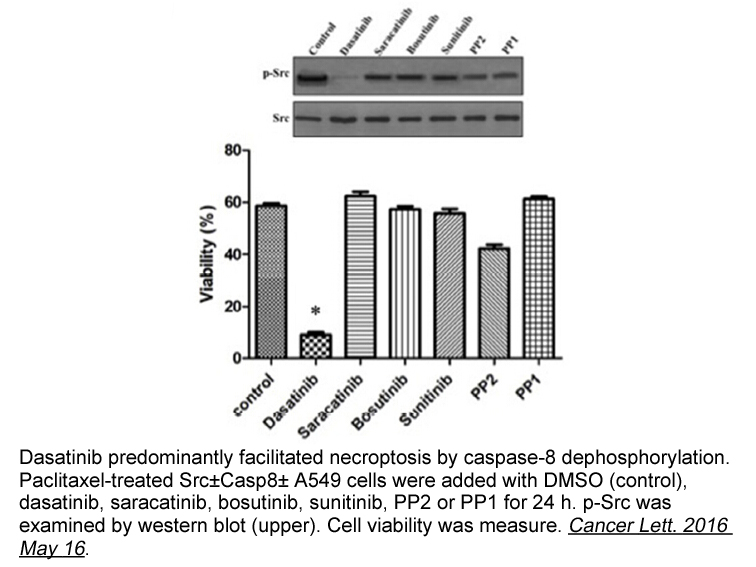
Cell migration and invasion are central processes in the development and metastasis of cancer. The regulation of cell migration by DDR1 has been reported in many types of cancer cell lines; however, conflicting results have been reported regarding the inhibitory as well as promotive effects of DDR1
-
po1 sale Findings from this study also indicate that DAPK re
2020-06-20
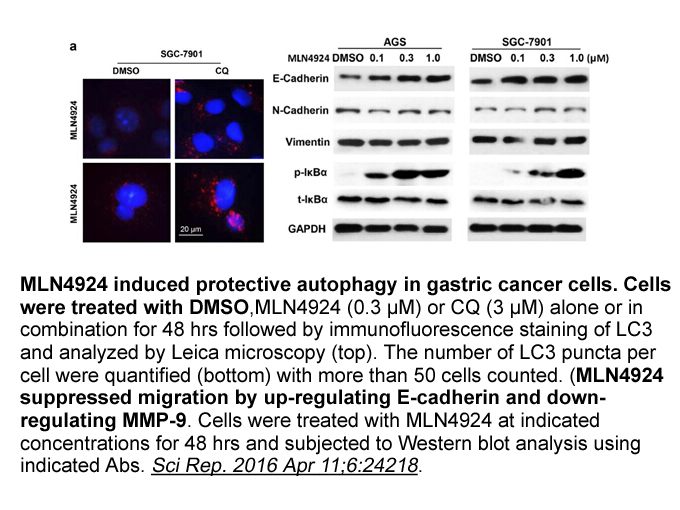
Findings from this study also indicate that DAPK regulated BimEL expression during OGD as DAPK shRNA transfection inhibited OGD-induced increase of BimEL. A previous study shows that Bim is found in ER compartment in stressed po1 sale but not in normal cells, indicating translocation of Bim during
-
br Proteases with special focus on
2020-06-19

Proteases with special focus on cysteine proteases Vaccination using cysteine proteases as antigens with special emphasis on DNA-vaccines Concluding remarks In spite of the great potential of DNA vaccines, the technology has not been as revolutionary as expected in higher mammals. In fish,
-
br Conclusion In vivo pharmacokinetic
2020-06-19
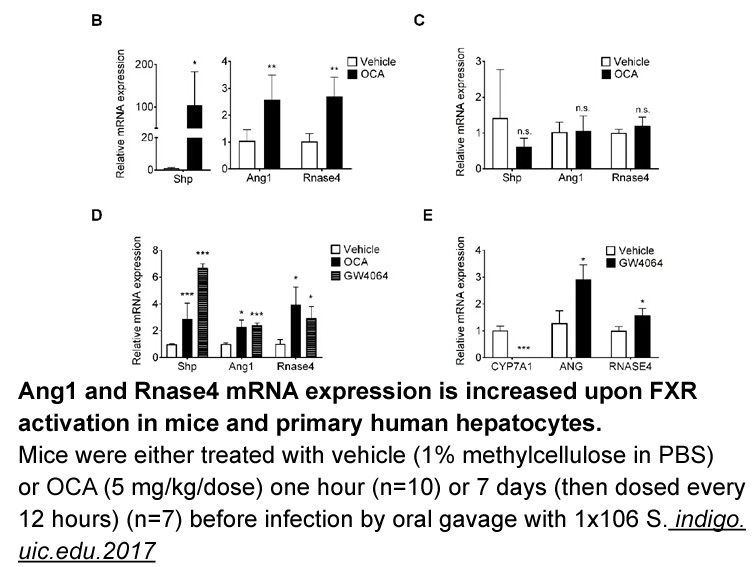
Conclusion In vivo pharmacokinetic studies showed that dasatinib monohydrate pretreatment significantly decreased the blood level of CsA in rats, which was most probably due to the induction of CYP3A2 isoenzymes. The nilotinib pre-treatment had no significant effects on cyclosporine pharmacokinet
-
br Introduction Rhabdomyosarcoma RMS is a
2020-06-19
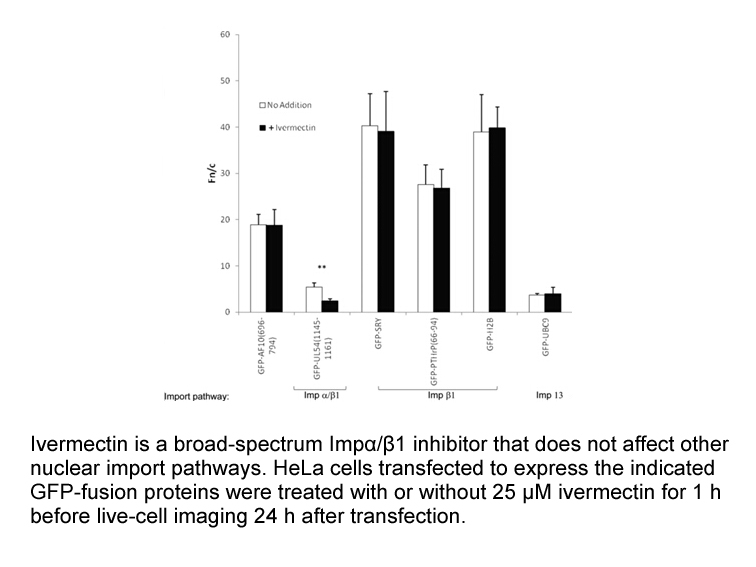
Introduction Rhabdomyosarcoma (RMS) is a myogenic tumor that accounts for approximately 50% of all pediatric soft tissue sarcomas. Diagnostic criteria for RMS NPS-2143 on the validation of proteins of the skeletal muscle lineage, such as Desmin, MyoD or Myogenin [1]. RMS cells are persistently k
-
In the present study we
2020-06-19
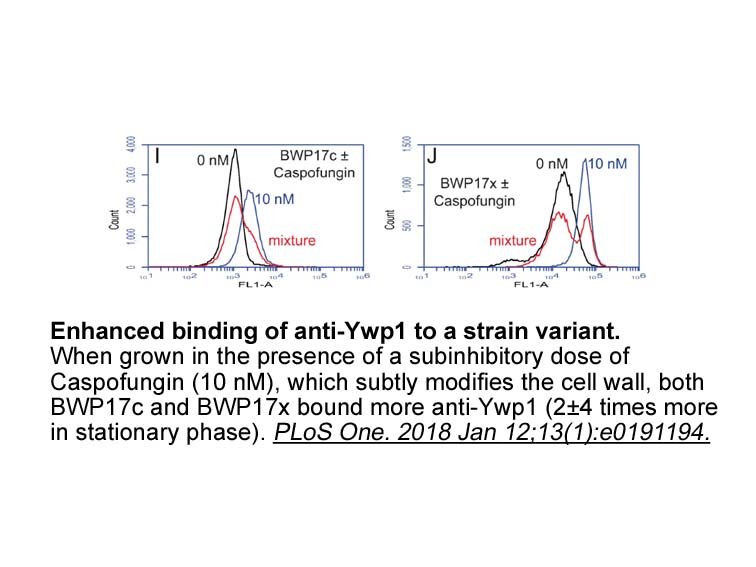
In the present study, we investigated the role of EP1R after ICH and its mechanism of action. We hypothesized that EP1R activation aggravates ICH injury but that its blockade reduces injury through the Src kinases and the MMP-9 signaling pathway. To test this hypothesis, we examined the effects of s
-
Our results indicate an OT specific
2020-06-19
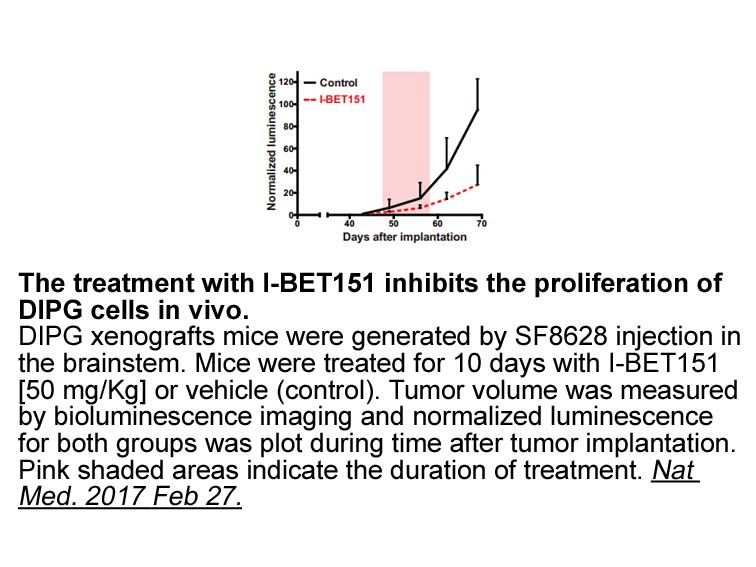
Our results indicate an OT-specific activation of PKR that inactivates eIF2a and may, by this means, reduce protein translation by utilizing only select sensors and mediators of the UPR (i.e., avoiding significant PERK activation). Interferon is a PKR activator [32] that temporarily subdues cellular
-
Introduction Klebsiella pneumoniae a Gram negative enteric b
2020-06-19
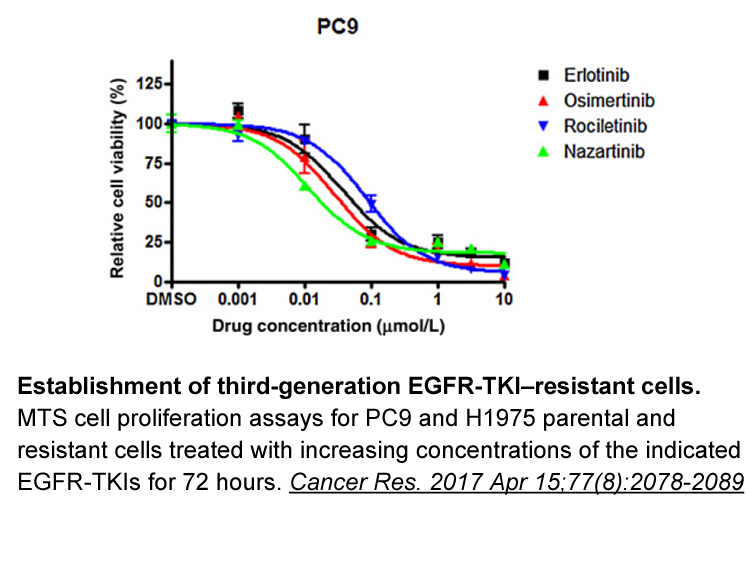
Introduction Klebsiella pneumoniae, a Gram-negative enteric bacterium, is an organism with significance in both biomedicine and biotechnology. Some of the strains of K. pneumoniae are opportunistic pathogens, which can cause suppurative infection, pneumoniae and urinary tract infection in humans (B
-
Following Duncan as a ritualized site Tyne
2020-06-19
Following Duncan (1995), as a ritualized site Tyne Cot provides an opportunity for individual tourists to conduct their own acts of remembrance (Edensor, 2000, Iles, 2006). The analysis has also shown that individual acts of writing particular words and phrases in the visitor books are socially shar
-
Dopamine activity in the PFC and striatum may be
2020-06-19
Dopamine activity in the PFC and striatum may be antagonistic, meaning that lower levels of dopamine in the striatum tend to correspond to higher levels of dopamine in the PFC and vice versa (Cools and D\'Esposito, 2011; Tunbridge et al., 2006). Human PET studies have reported that dopaminergic PFC
15869 records 876/1058 page Previous Next First page 上5页 876877878879880 下5页 Last page