Archives
- 2026-09
- 2026-08
- 2026-07
- 2026-06
- 2026-05
- 2026-04
- 2026-03
- 2026-02
- 2026-01
- 2025-12
- 2025-11
- 2025-10
- 2025-09
- 2025-03
- 2025-02
- 2025-01
- 2024-12
- 2024-11
- 2024-10
- 2024-09
- 2024-08
- 2024-07
- 2024-06
- 2024-05
- 2024-04
- 2024-03
- 2024-02
- 2024-01
- 2023-12
- 2023-11
- 2023-10
- 2023-09
- 2023-08
- 2023-07
- 2023-06
- 2023-05
- 2023-04
- 2023-03
- 2023-02
- 2023-01
- 2022-12
- 2022-11
- 2022-10
- 2022-09
- 2022-08
- 2022-07
- 2022-06
- 2022-05
- 2022-04
- 2022-03
- 2022-02
- 2022-01
-
Concerning the molecular mechanisms underlying transcription
2022-02-24
Concerning the molecular mechanisms underlying transcriptional regulation of the GSTP1-1 gene expression we and others have characterized structural and functional properties of the human GSTP1-1 promoter. GSTP1-1 gene promoter activity is driven by a TATA-box [16] as well as Spl [16], [17], AP-1 [1
-
br Experimental br Acknowledgments This research was support
2022-02-24
Experimental Acknowledgments This research was supported by the Korea Research Foundation (2013R1A1A2007509). The authors thank to Dr. Moon Ho Son (Dong-A Pharm. Co. Ltd) for hGPR119 agonist activity assay. We also thank to Pharmacal Research Institute and Central Laboratory of Kangwon Nationa
-
We also demonstrated that inhibition of NAAG hydrolysis to s
2022-02-23
We also demonstrated that inhibition of NAAG hydrolysis to suppress glutamate production through a GCPII inhibitor is a viable target for cancer therapy. GCPII is also known as N-acetyl-L-aspartyl-L-glutamate peptidase I (NAALADase I) or NAAG peptidase (Pinto et al., 1996), and its increased express
-
epinastine hydrochloride australia Instead our results revea
2022-02-23
Instead, our results reveal that autophagy controls the membrane association of the cargo-selective SNX-BAR retromer assembly (comprised of the VPS35/29/26 trimer in association with SNX1/2 and SNX5/6), which has been demonstrated to promote GLUT1 surface recycling. Accordingly, GLUT1 localization i
-
Beauvericin br Materials and methods br Results br Discussio
2022-02-23
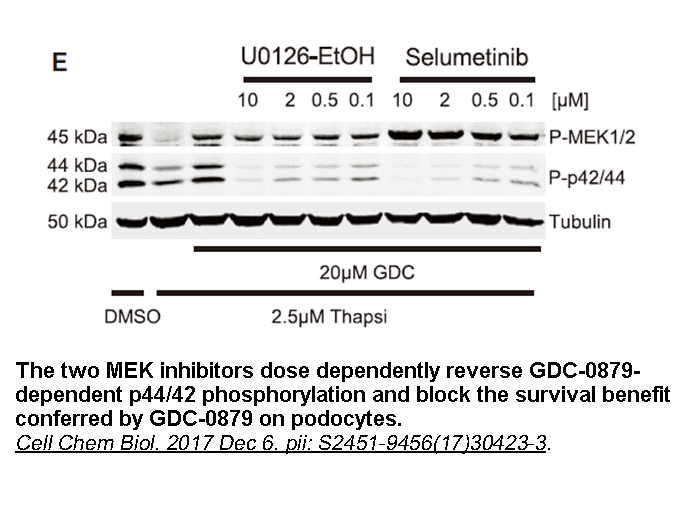
Materials and methods Results Discussion Acknowledgments Introduction As we move into an aging society, there has been a growing interest in neurological disorders [1]. Neurodegenerative diseases such as Parkinson’s disease (PD) and Alzheimer’s disease (AD) cause cognitive malfunction
-
In conclusion we have shown that AKR D regulates
2022-02-23

In conclusion, we have shown that AKR1D1 regulates glucocorticoid availability and GR activation and therefore represents a key pre-receptor regulator of hormonal action in human liver. However, there are additional questions that need to be addressed including dissecting the broader role of AKR1D1
-
The present in vitro experiments confirm previous suppositio
2022-02-23
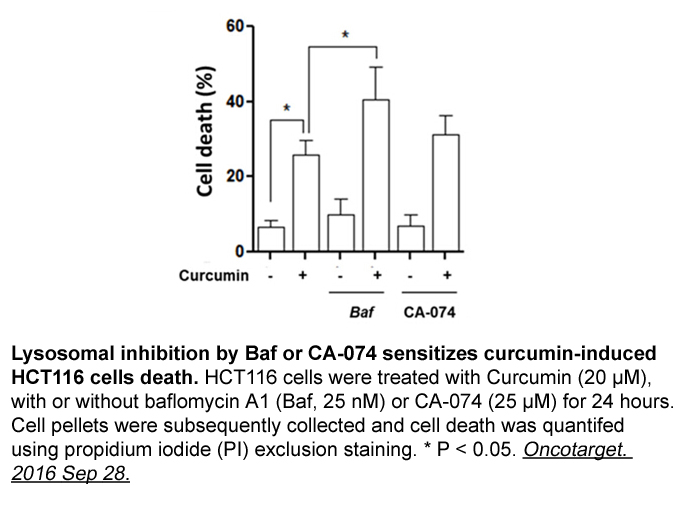
The present in vitro experiments confirm previous suppositions (Ciosek, Gałecka, 2011, Izdebska, Ciosek, 2010) that Gal modulates AVP and OT release by acting at every level of the hypothalamo-neurohypophysial system. In fact, both 10−10 M and 10−8 M Gal diminished basal release of AVP and OT from t
-
Hydantoin in region F bridging the phenoxybenzene and benzim
2022-02-23
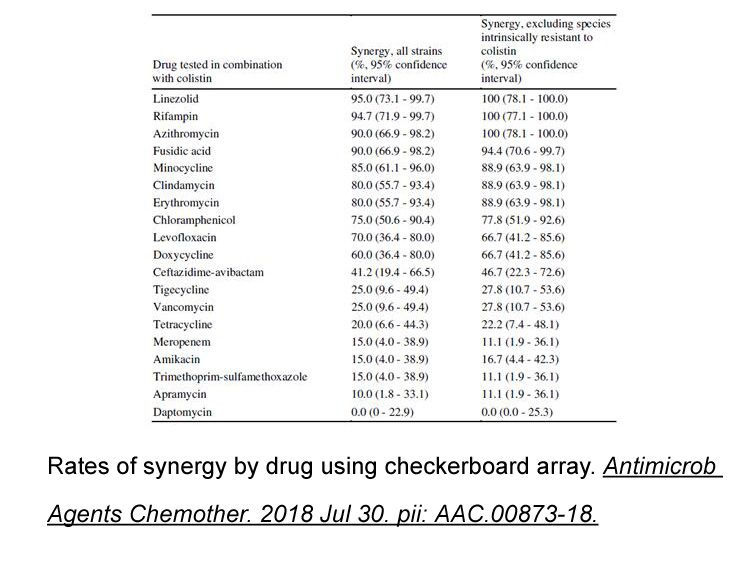
Hydantoin in region F bridging the phenoxybenzene and benzimidazole moieties was replaced by cyclic building blocks, diketopiperazine (25) and imidazolidinone (26), and linear bonds, amide (27) and urea (28). Analogs 25–28 possessing the linkers other than hydantoin were not tolerated in LBD of FXR,
-
Introduction Human immunodeficiency virus HIV
2022-02-23
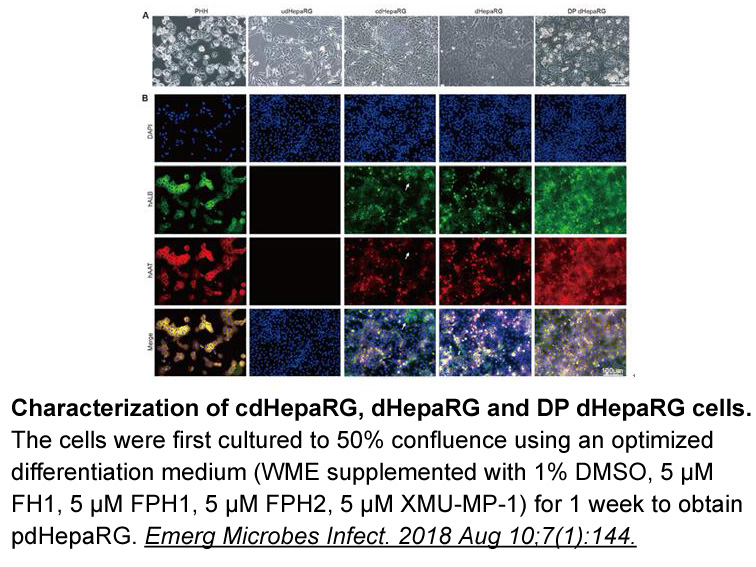
Introduction Human immunodeficiency Alisol B 23-acetate receptor (HIV) persue to be a major global public health problem (Joint United Nations Programme on HIV/AIDS, 2018). Globally, 36.9 million (range, 31.1 million–43.9 million) people were living with HIV in 2017 (UNAIDS, 2018a). The burden of
-
Several recent studies have linked clock function with the c
2022-02-22
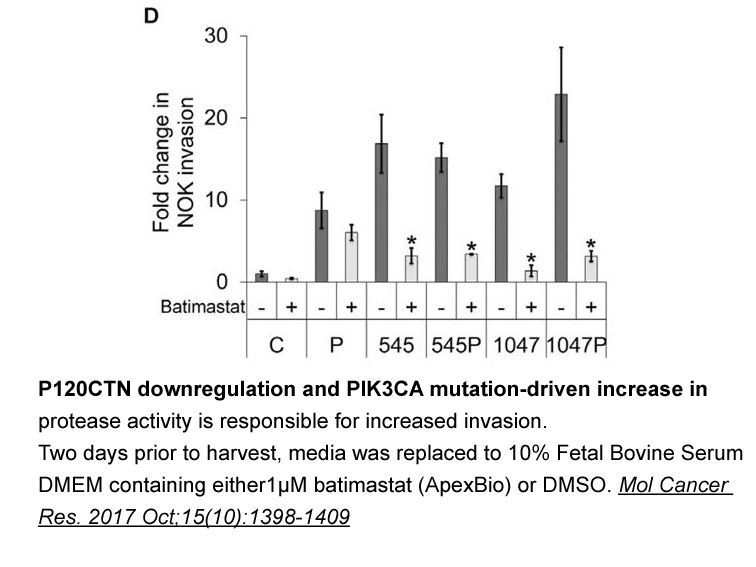
Several recent studies have linked clock function with the cell cycle and reported that clock components, such as PER1, PER2, BMAL1, and CRY1/2 decrease cell proliferation or improve the action of anti-cancer drugs in different cancer cell lines. Moreover, certain types of human cancer show an alter
-
Cyclopamine a steroidal alkaloid type secondary metabolite f
2022-02-22
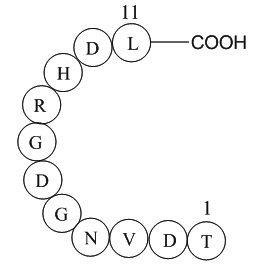
Cyclopamine, a steroidal alkaloid type secondary metabolite from Veratrum californicum Durand (Melanthiaceae), serves as an anti-Hh constituent blocking the activation of Smo [96,100]. According to previous studies, cyclopamine was shown to inhibit the development of human hepatocellular carcinomas
-
GSK is inhibited by serine
2022-02-22
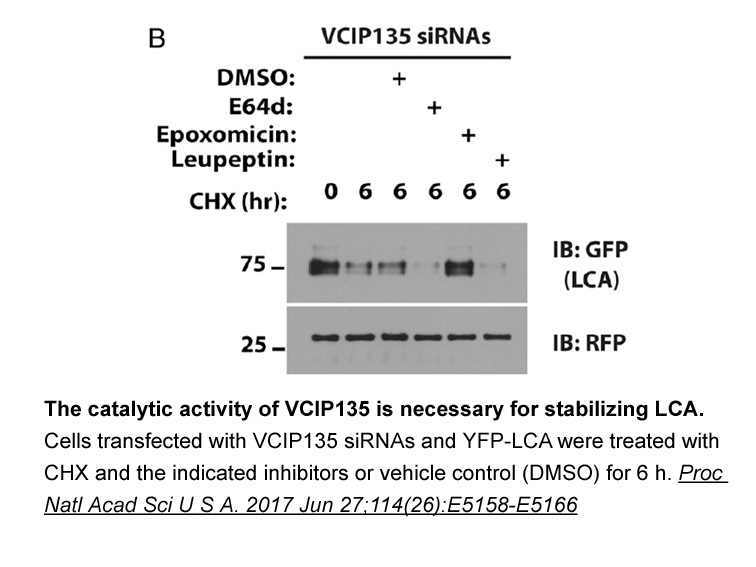
GSK-3 is inhibited by serine JQ1 at a residue its N-terminus (Ser 9 in GSK-3β and Ser 21 in GSK-3α) [52], [53], [54]. This raised the possibility that the N-terminal tail may function as a pseudo-substrate by mimicking the pre-phosphorylated substrate. The interaction mode of the pseudo-substrate wi
-
Screening of the compounds allowed for a number
2022-02-22
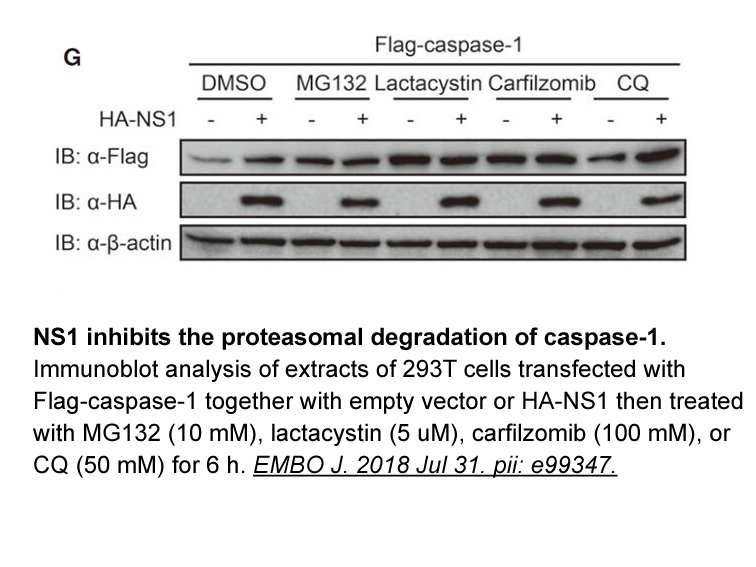
Screening of the compounds allowed for a number of interesting SAR observations. First of all, pyridyl analogue demonstrated that a pyridine ring would be beneficial for both log as well as increasing the potency (entry 2 versus entry 1). Electron-poor aryl groups next to the oxadiazolone were detr
-
We recently reported that the human derived
2022-02-22
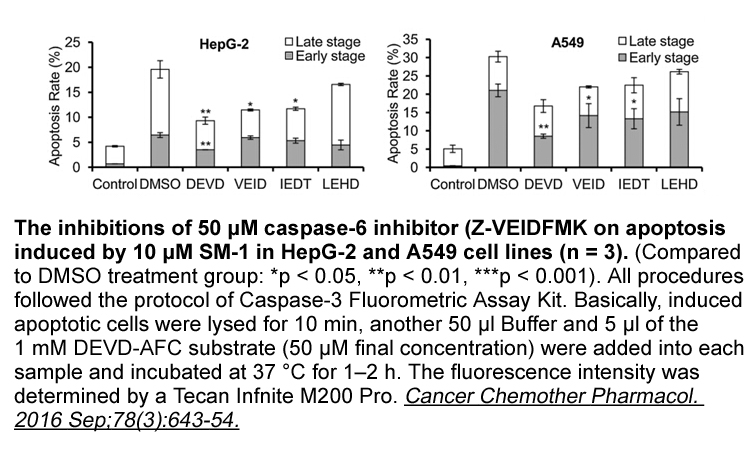
We recently reported that the human-derived PancCa cell line PANC-1 and the human-derived hepatocellular HepG2 cell line express GPR55 mRNA and protein [21]. In PANC-1 and HepG2 cells, knockdown of GPR55 with specific siRNAs abrogates cellular uptake of Tocrifluor 1117, a selective GPR55 ligand [21]
-
The finding that GPR acts as a
2022-02-22
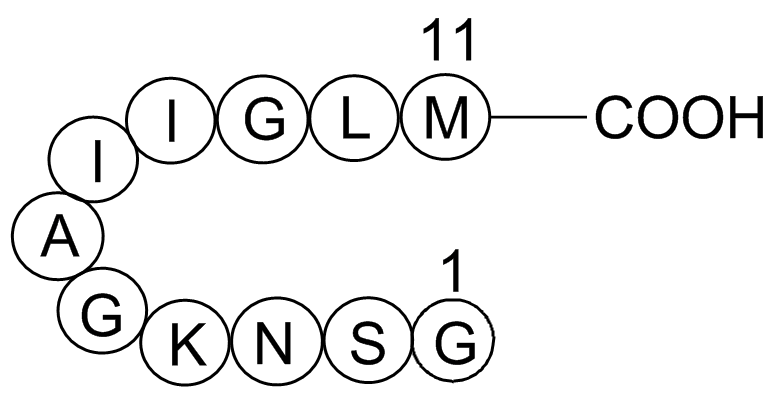
The finding that GPR35 acts as a receptor for 2-acyl LPA is noteworthy, because P2Y5, which has homology with GPR35 (29%), has recently been shown to act as a receptor for 2-acyl LPA [14]. LPA3 is also a specific receptor for 2-acyl LPA [15]. It is also worth noting that GPR55, which has homology wi
8650 records 547/577 page Previous Next First page 上5页 546547548549550 下5页 Last page