Archives
- 2026-09
- 2026-08
- 2026-07
- 2026-06
- 2026-05
- 2026-04
- 2026-03
- 2026-02
- 2026-01
- 2025-12
- 2025-11
- 2025-10
- 2025-09
- 2025-03
- 2025-02
- 2025-01
- 2024-12
- 2024-11
- 2024-10
- 2024-09
- 2024-08
- 2024-07
- 2024-06
- 2024-05
- 2024-04
- 2024-03
- 2024-02
- 2024-01
- 2023-12
- 2023-11
- 2023-10
- 2023-09
- 2023-08
- 2023-07
- 2023-06
- 2023-05
- 2023-04
- 2023-03
- 2023-02
- 2023-01
- 2022-12
- 2022-11
- 2022-10
- 2022-09
- 2022-08
- 2022-07
- 2022-06
- 2022-05
- 2022-04
- 2022-03
- 2022-02
- 2022-01
-
During the year study period of men in
2024-06-03
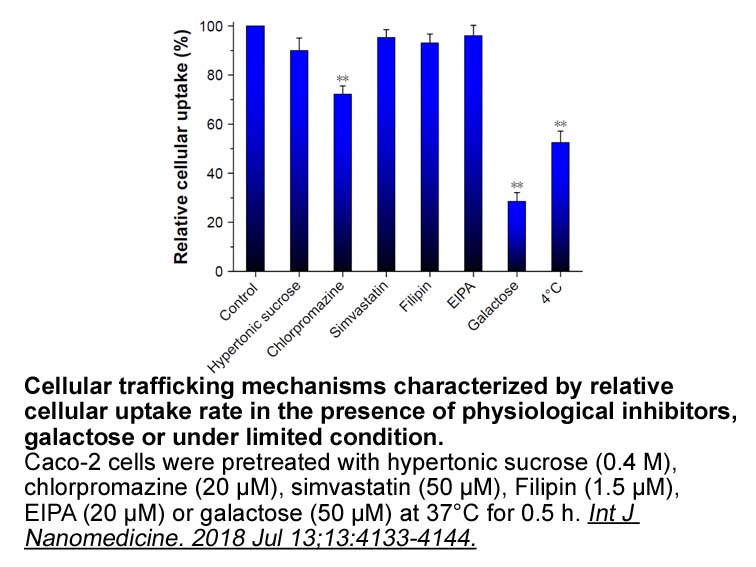
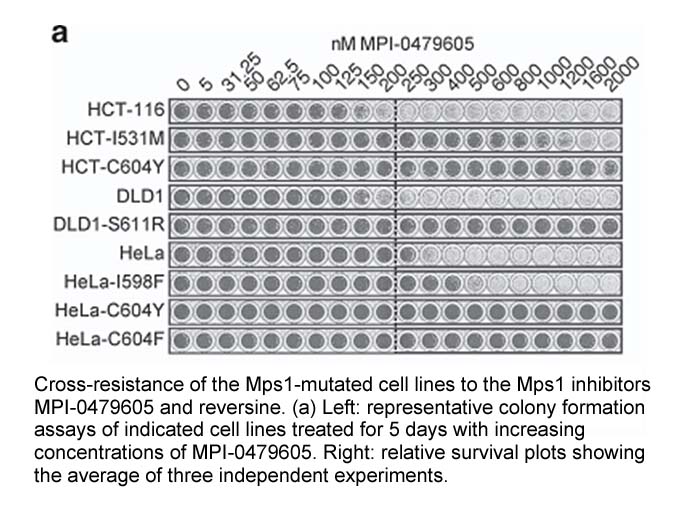
During the 4-year study period, 19.9% of men in the dutasteride group developed prostate cancer as compared to 25.1% in the placebo group, which represents an absolute risk xpo 1 of 5.1% for men taking dutasteride (P number of men progressing to surgical intervention, and evidence of BPH-related AUR
-
Acknowledgments br Introduction Prostate cancer is the first
2024-06-03

Acknowledgments Introduction Prostate cancer is the first leading cause of cancer-related deaths among males in the UK and the second in the US. Despite recent advances in surgery, radiation, medical management and screening, prostate cancer patients suffer high morbidity and mortality and signi
-
br Material and methods br
2024-06-03
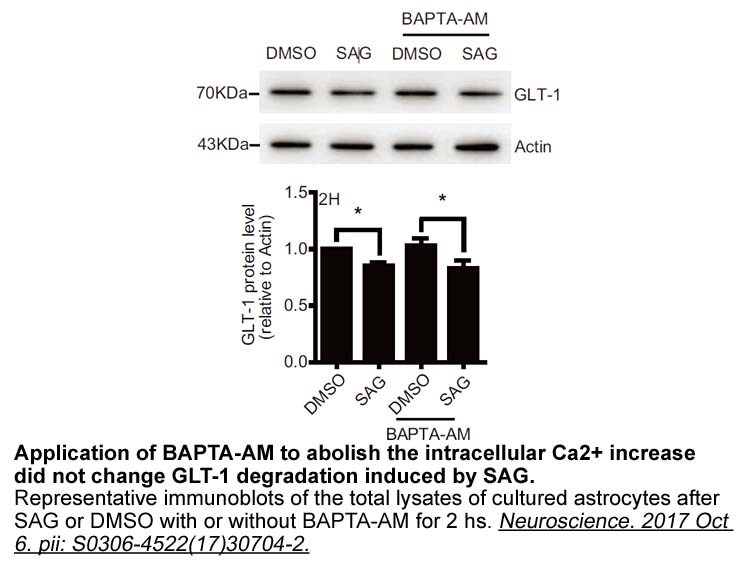
Material and methods Results Discussion T2D is a substantial threat to global human health [31]. Obesity-associated chronic low-grade inflammation promotes insulin resistance and T2D [32]. In obese individuals, the production of numerous inflammatory molecules including IL-6 and TNF-a is up
-
Since immunoassays cannot specifically quantify
2024-06-03
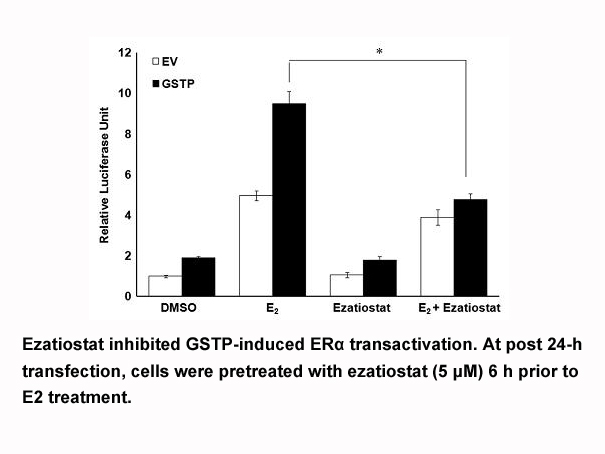
Since immunoassays cannot specifically quantify each apelin peptide, a more reliable approach, mass spectrometry (MS) has been used recently to quantify and characterize apelin fragments in plasma. Using this technology, Zhen et al. showed that [Pyr-1]-apelin-13 was the major apelin form present in
-
br Results br Discussion Control of chronic inflammation is
2024-06-03
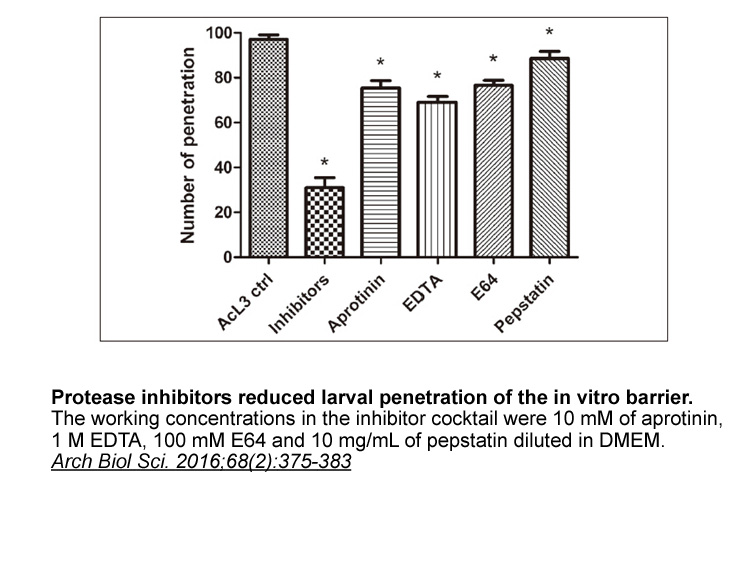
Results Discussion Control of chronic inflammation is important in several inflammatory conditions like asthma, rheumatoid arthritis and fibrosis in lung diseases. The regulatory pathways that control chronic inflammation are complex and multi-factorial. Over expression of inflammatory mediato
-
In the present study a
2024-05-31
In the present study, a splice acceptor site mutation (c.1769-1G > C) was identified in AR gene from patients with CAIS. The c.1769-1G > C mutation results in replacement of the normal sequence (CAG/G) with a new sequence (CAC/G) at the splice acceptor site of intron 2. In the splice acceptor site r
-
The relationship between AG and tau deposition in
2024-05-31
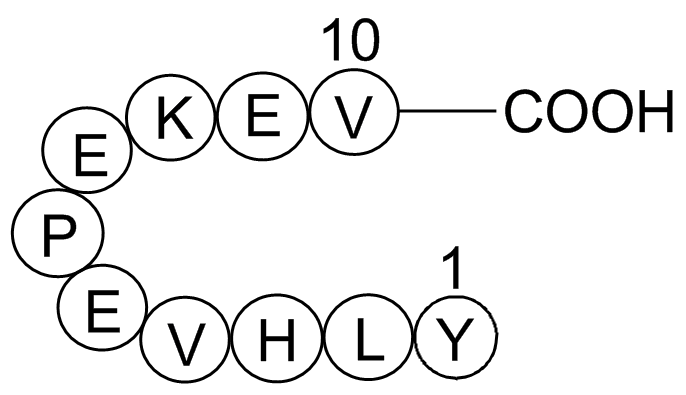
The relationship between AG and tau deposition in the presence of Aβ burden warrants more research in AD and in other primary tauopathies (not associated with accumulation of Aβ plaques). Our findings highlight the importance of measuring AG, as this relationship was not evident for total Memantine
-
br Materials and methods br Results and discussion
2024-05-31
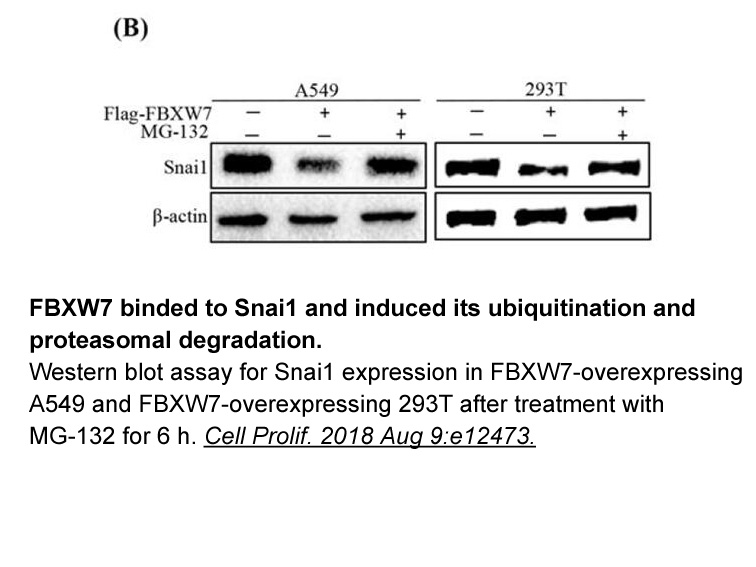
Materials and methods Results and discussion First, we examined whether hypothalamic Akt-mediated signaling pathways are regulated postprandially in chickens. Refeeding significantly (P plasma parp inhibitors concentrations significantly increased in chicks after 1 h of refeeding (958 ± 245% o
-
Among all the compounds the
2024-05-31

Among all the compounds, the novel L-748,337 derivative (23d) showed the potent human β3-AR antagonist activity and high lipolysis inhibitory activity in vitro. The gsk3 inhibitor 23d displayed 23-fold more potent β3-AR antagonist activity (EC50 = 0.5117 nM) than that of L-748,337 (EC50 = 11.91 nM)
-
Whether similar mechanisms play a
2024-05-31

Whether similar mechanisms play a role in adiponectin signal transduction and whether additional proteins are recruited to adiponectin receptors via APPL1 has not been analysed so far. Although it has been clearly established that APPL1 is a downstream adaptor protein in adiponectin signal transduct
-
Introduction Diabetic nephropathy is a rapidly
2024-05-31

Introduction Diabetic nephropathy is a rapidly growing cause of end-stage renal disease [1]. Glomerular, tubular and vascular toxicity resulting from hyperglycemia (glucotoxicity) have been evaluated extensively at the molecular level as contributing factors for diabetic nephropathy [[1], [2], [3]]
-
In this study in an
2024-05-31
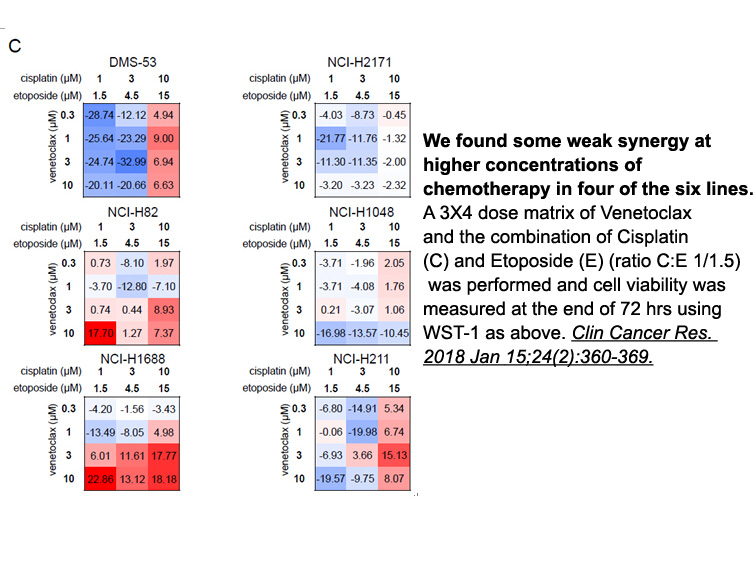
In this study, in an effort to explore the possible role of 5-HT6 receptors in mediating the memory-enhancing effects of YL-0919, we first assessed the memory-enhancing effects of YL-0919 in the Morris water maze, object recognition test and step-down passive avoidance task. In addition, we then inv
-
There has been growing interest
2024-05-31
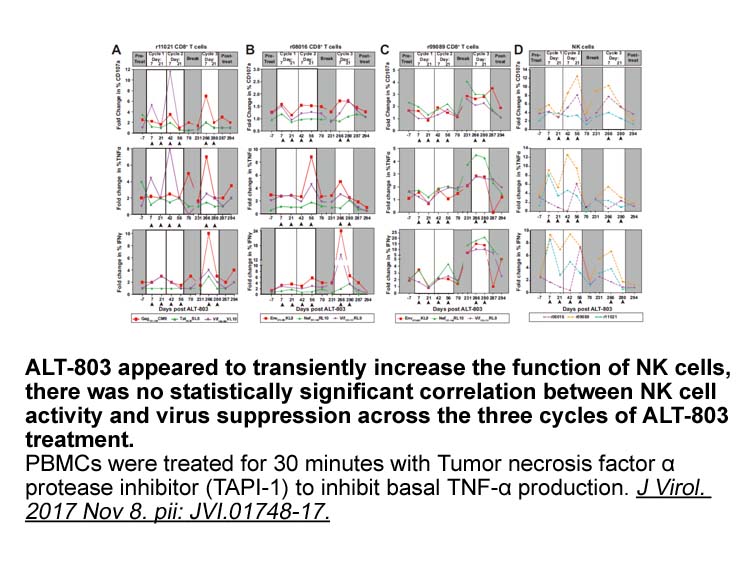
There has been growing interest over computational methods to predict the biological activity by chemical structure, so as to decide whether it Chlorprothixene australia has objective qualities or not. In this contribution, the well-known method, which is called quantitative structure–activity rela
-
Firms are subject to corporate taxation and face
2024-05-31
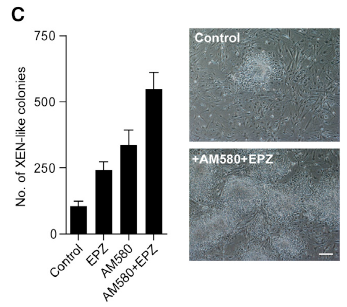
Firms are subject to corporate taxation, and face either an ACE or a CBIT tax scheme. The two tax regimes achieve financing neutrality by treating debt and equity equally, but differ according to whether deduction of capital costs from the corporate tax benzbromarone is allowed or not. While ACE all
-
br Interaction between ASK and
2024-05-30
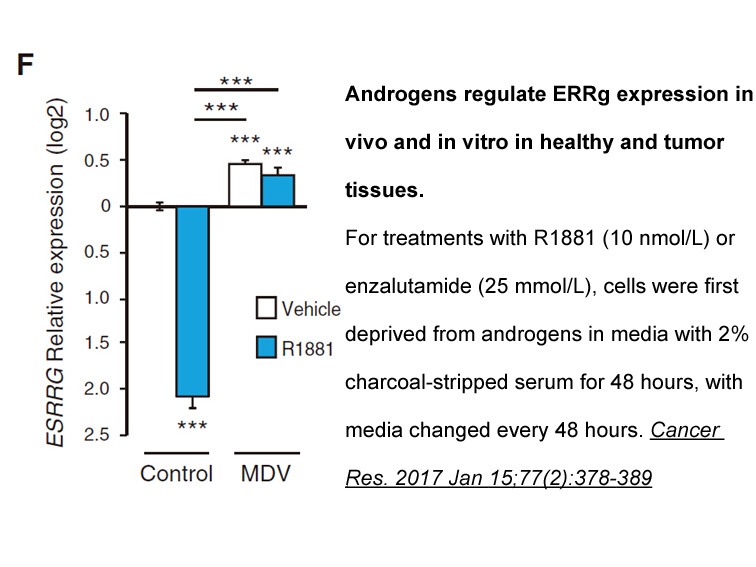
Interaction between ASK1 and TRX Thioredoxins are small (∼12kDa) dithiol oxidoreductases ubiquitously expressed in species ranging from plants to archaea and mammals. They perform various biological functions, such as reducing protein disulfide bonds, supplying reducing equivalents to redox PF-67
8646 records 174/577 page Previous Next First page 上5页 171172173174175 下5页 Last page