Archives
- 2026-09
- 2026-08
- 2026-07
- 2026-06
- 2026-05
- 2026-04
- 2026-03
- 2026-02
- 2026-01
- 2025-12
- 2025-11
- 2025-10
- 2025-09
- 2025-03
- 2025-02
- 2025-01
- 2024-12
- 2024-11
- 2024-10
- 2024-09
- 2024-08
- 2024-07
- 2024-06
- 2024-05
- 2024-04
- 2024-03
- 2024-02
- 2024-01
- 2023-12
- 2023-11
- 2023-10
- 2023-09
- 2023-08
- 2023-07
- 2023-06
- 2023-05
- 2023-04
- 2023-03
- 2023-02
- 2023-01
- 2022-12
- 2022-11
- 2022-10
- 2022-09
- 2022-08
- 2022-07
- 2022-06
- 2022-05
- 2022-04
- 2022-03
- 2022-02
- 2022-01
-
br Small molecule homoisoflavonoid in combination with
2024-10-17
Small molecule homoisoflavonoid in combination with anti-VEGF therapy Basavarajappa et al. [11] reported a new synthetic homoisoflavonoid compound, SH-11037 by modifying the structure of naturally occurring homoisoflavonoid cremastranone. SH-11037 exhibited promising inhibition of human retinal m
-
The RAS may have different functions
2024-10-17
The RAS may have different functions depending on whether we consider the circulatory component or the different local tissue systems (including brain) well described previously [29]. The cardiovascular control and hydroelectrolytic balance (among other functions), are largely the result of the infl
-
br Conclusion br Conflicts of interest br
2024-10-17
Conclusion Conflicts of interest Introduction Alzheimer’s disease is the most common neurodegenerative condition known to cause dementia (Ferri et al., 2005). Alzheimer’s dementia typically presents with initial recent episodic memory deficits, word finding difficulty and later with apraxia
-
We have previously shown that the antinociceptive
2024-10-16
We have previously shown that the antinociceptive effect of tramadol, an analgesic that, like paracetamol is able to increase serotonin levels within CNS, is potentiated or antagonized respectively by a 5-HT1A/B nonspecific Cinchonidine blockade or activation (Rojas-Corrales et al., 2000). Moreover,
-
However although in vitro studies
2024-10-16
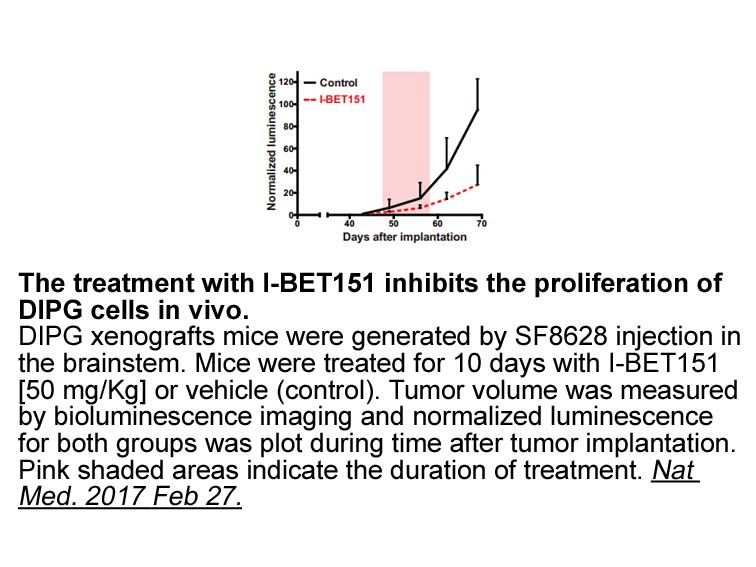
However, although in vitro studies in heterologous systems have provided very important indications of potential novel pharmacology, the studies with endogenous receptors in native tissues are essential to provide evidence for GPCR heteromerization in vivo and to confirm its physiological relevance.
-
In addition to the above mentioned
2024-10-16
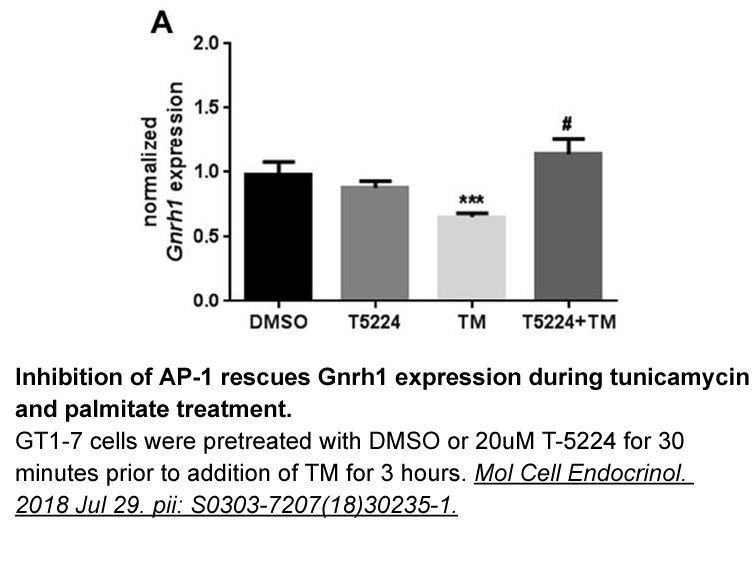
In addition to the above-mentioned synaptic mechanisms, the serotonergic system also has a critical role in the antidepressant effects of mGlu2/3 receptor antagonists. Indeed, we previously reported that mGlu2/3 receptor antagonists increased the firing rate of serotonin neurons in the dorsal raphe
-
Beside activation of adenosine receptors
2024-10-16
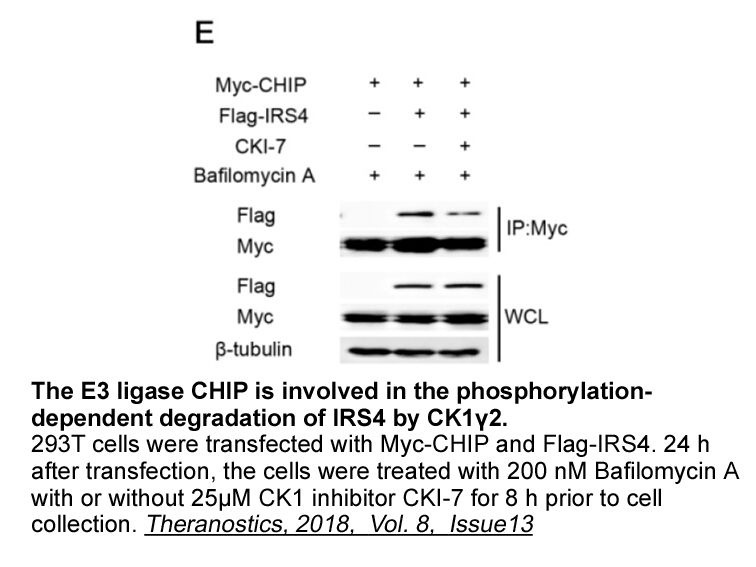
Beside activation of adenosine receptors (A2a.1, A2a.2, A2b) by FSK treatment, the expression of adenosine receptors was also upregulated, when embryos were exposed to inhibitors (SU5416 and DAPT) alone and also combined with FSK. Our data imply that adenosine receptor was associated with a positive
-
Unlike AK inhibition the inhibition of ADA
2024-10-16
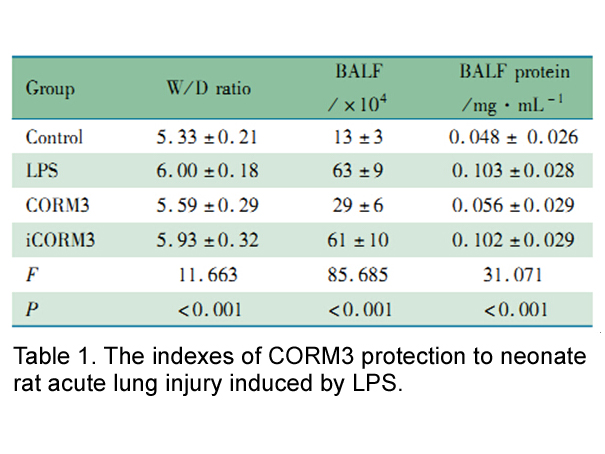
Unlike AK inhibition, the inhibition of ADA activities by EHNA had little effect on spinal reflex potentials, although EHNA did increase extracellular adenosine levels. One explanation for this discrepancy is that the adenosine increase seen herein was not sufficient to inhibit reflex potentials. In
-
Regarding androgens it is known that they are also
2024-10-16
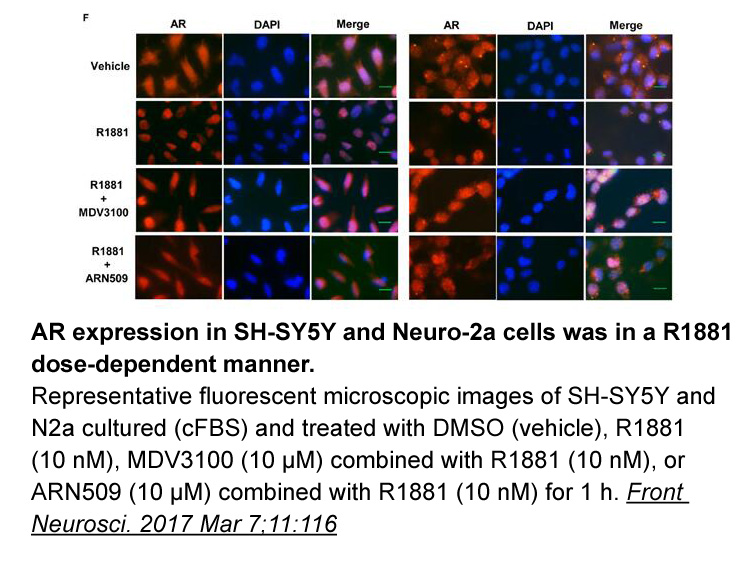
Regarding androgens, it is known that they are also essential for reproductive success (Walters et al., 2010). At the molecular level, their effects are produced mainly by dihydrotestosterone (DHT), arising from the conversion of testosterone by the enzyme 3-oxo-5-alpha-steroid-4-dehydrogenase (enco
-
br Materials and methods br Results
2024-10-16

Materials and methods Results The clinical characteristics of the two selected groups are shown in Table 1. As shown in Table 1, the enzyme activity of ATX in CSF of MS patients (59.90±3.09nmol/min/ml±SEM) was significantly higher (p Discussion Numerous studies have so far shown that ATX tak
-
br Materials and methods br
2024-10-16
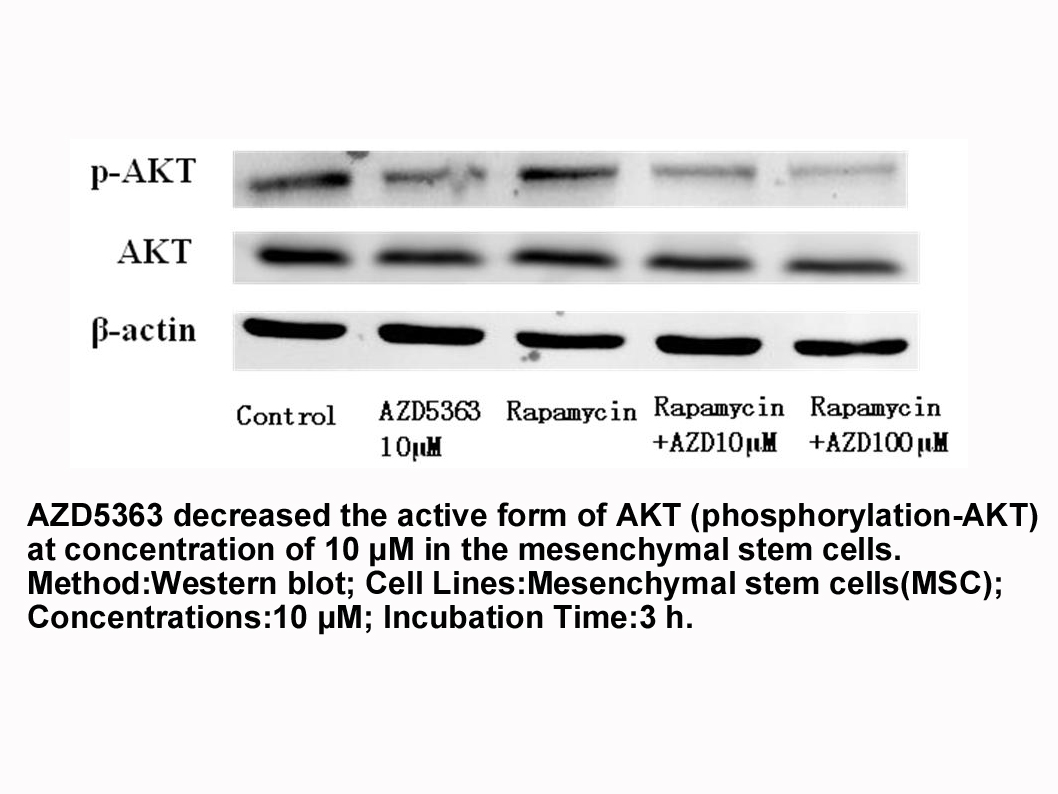
Materials and methods Results To explore the potential role of autophagy in drug resistance, we firstly performed immunohistochemistry to compare the AR-M 1896 of p62 in paired primary, metastatic, and recurrent tumor tissues from 26 ovarian cancer patients. The expression of p62 was revealed
-
To help ensure the fidelity
2024-10-16
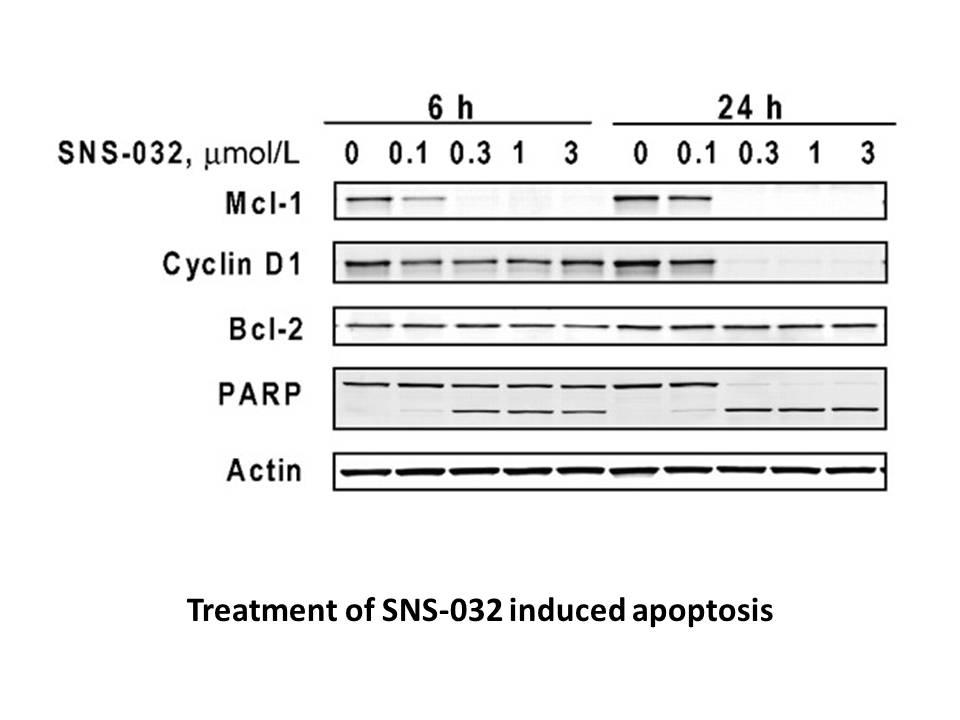
To help ensure the fidelity of mitosis and cytokinesis cells monitor these processes and delay cell cycle progression in response to certain defects. The spindle assembly checkpoint (SAC) is a surveillance system which delays fty720 onset until a bipolar spindle has been correctly assembled (Lara-G
-
Elevated expression of Aurora A and B frequently detected in
2024-10-16
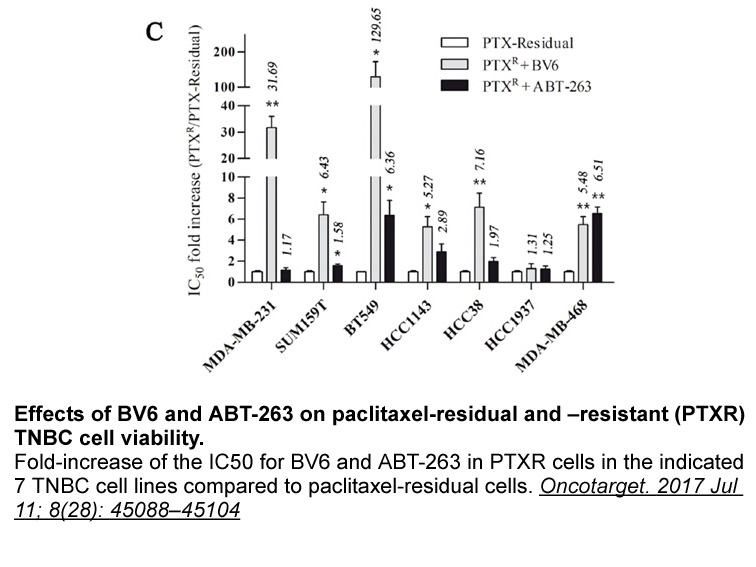
Elevated expression of Aurora-A and -B frequently detected in a wide variety of human cancers strongly indicate that high expression of these kinases play roles in the development of cancer associated phenotypes. While Aurora-A has been shown to function as an oncogene when over expressed in mammali
-
Among the most important Ca regulatory mechanisms are
2024-10-16
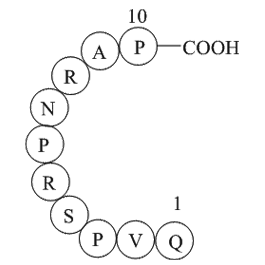
Among the most important Ca regulatory mechanisms are the Plasma Membrane Calcium ATPase (PMCA) and Sarcoplasmic Reticulum Calcium ATPase (SERCA). These pumps belong to the family of P-ATPases, which share the formation of an acid-stable phosphorylated intermediate as part of their reaction cycle. P
-
br Resection of DNA ends The highly conserved MRN MRX
2024-10-16

Resection of DNA ends The highly conserved MRN/MRX complex (Mre11-Rad50-Nbs1 in metazoan; Mre11-Rad50-Xrs2 in yeast) and the Ku70/Ku80 heterodimer (hereafter referred to as Ku) are the first protein complexes to be recruited at DSBs [6]. The presence of Ku and MRN/MRX mediates the recruitment of
8645 records 103/577 page Previous Next First page 上5页 101102103104105 下5页 Last page